E-mail:Summer@fsorgin.com Telephone: +86 151-1302-4743
- All
- Product Name
- Product Keyword
- Product Model
- Product Summary
- Product Description
- Multi Field Search
English


Views: 0 Author: Site Editor Publish Time: 2024-10-30 Origin: Site


On October 16th, the 2nd Midea Visionary Conference was held in Shunde, Foshan.Some award-winning experts, representatives of the R&D system, and dozens of media reporters gathered together in the 29th Midea Science and Technology Month to discuss the future development direction of the industry around AI and energy storage technology.
Robots have a long history of development, and there are many current robot classifications, but there is a gap between their functions and practicability and expectations, such as industrial robots can only work in a structured environment, service robots have simple functions, and special robots rely on operation to complete tasks. In recent years, the development of information technology, especially artificial intelligence technology, has provided more space for robot applications. It is not difficult for VisionNav Robotics to learn, program, and plan for transformation on its own.
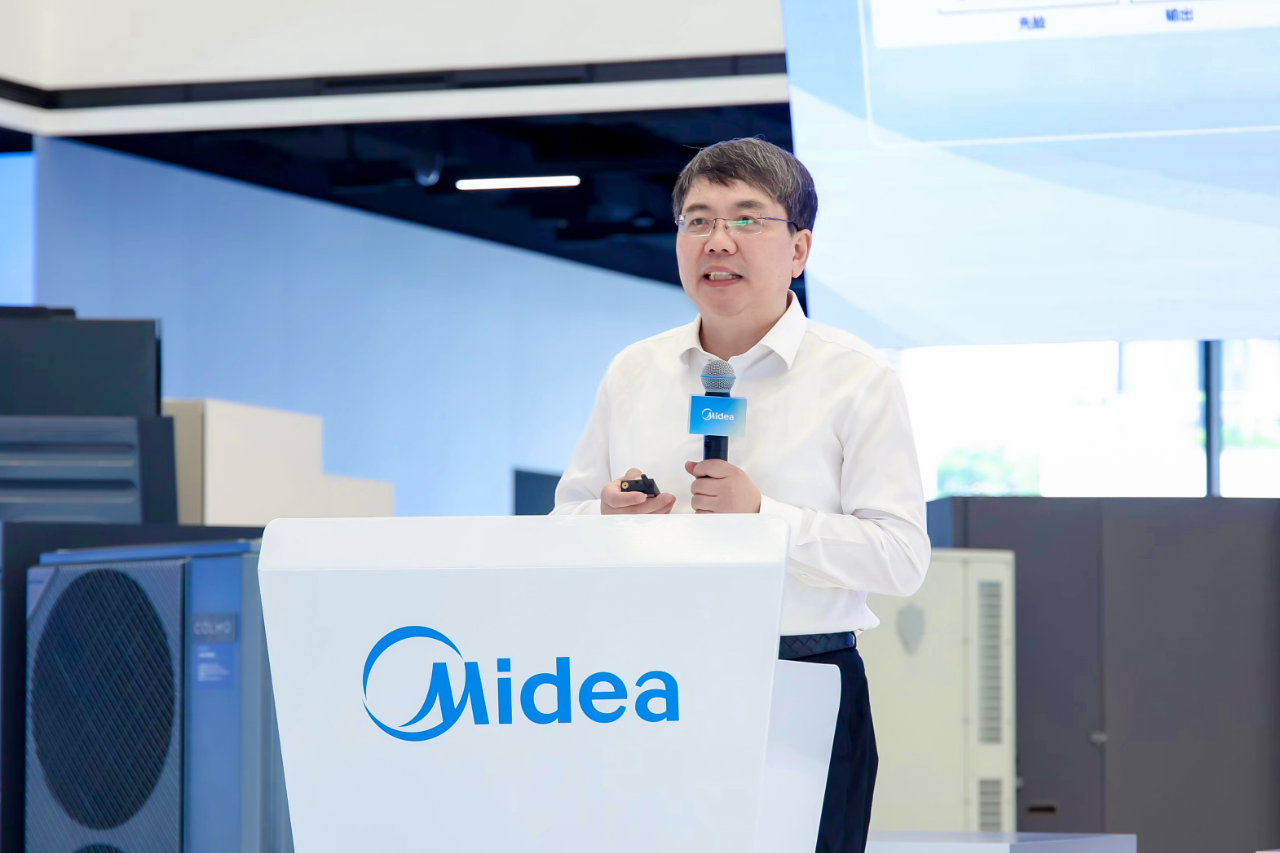
"Humanoid robots are the culmination of all kinds of technologies," Dinghan points out, "and humanoid robots have the potential to be a disruptive product." "The main trend of humanoid robots is the integration of AI, and the current difficulty of humanoid robots is to simulate human behavior. Among them, the simulated brain needs to collect and process data in real time to achieve hand-eye-brain collaboration like a human; The simulated cerebellum is to ensure behavioral representation, cooperative autonomy and interaction ability, and complete complex motor control. The flexible design of the robot body is also a difficult point to overcome in the future. Ding Han believes that the application scenarios of humanoid robots include hazardous environments, industrial manufacturing, home services, etc., and continuous optimization of the skeleton mechanism, motor, and electric cylinder structure needs to be continuously optimized in mass production.
At present, humanoid robots are in the golden period of development, and driven by technologies such as big data, artificial intelligence, and end-to-end learning, humanoid robots are gradually moving towards generalization. At the same time, the development of humanoid robots will drive the rapid development of ontology manufacturers and downstream components, especially sensors.
The theme of Lin Liang's speech was "Embodied Intelligence". Embodied intelligence, as opposed to detached intelligence, has initiative and strong interaction, and can actively and adaptively complete the task of transforming the world through robots, which is a leap from the cognitive world to the physical world. Especially after the artificial intelligence model drives the robot, embodied intelligence has become the key to the robot's understanding of the digital space and the real world.
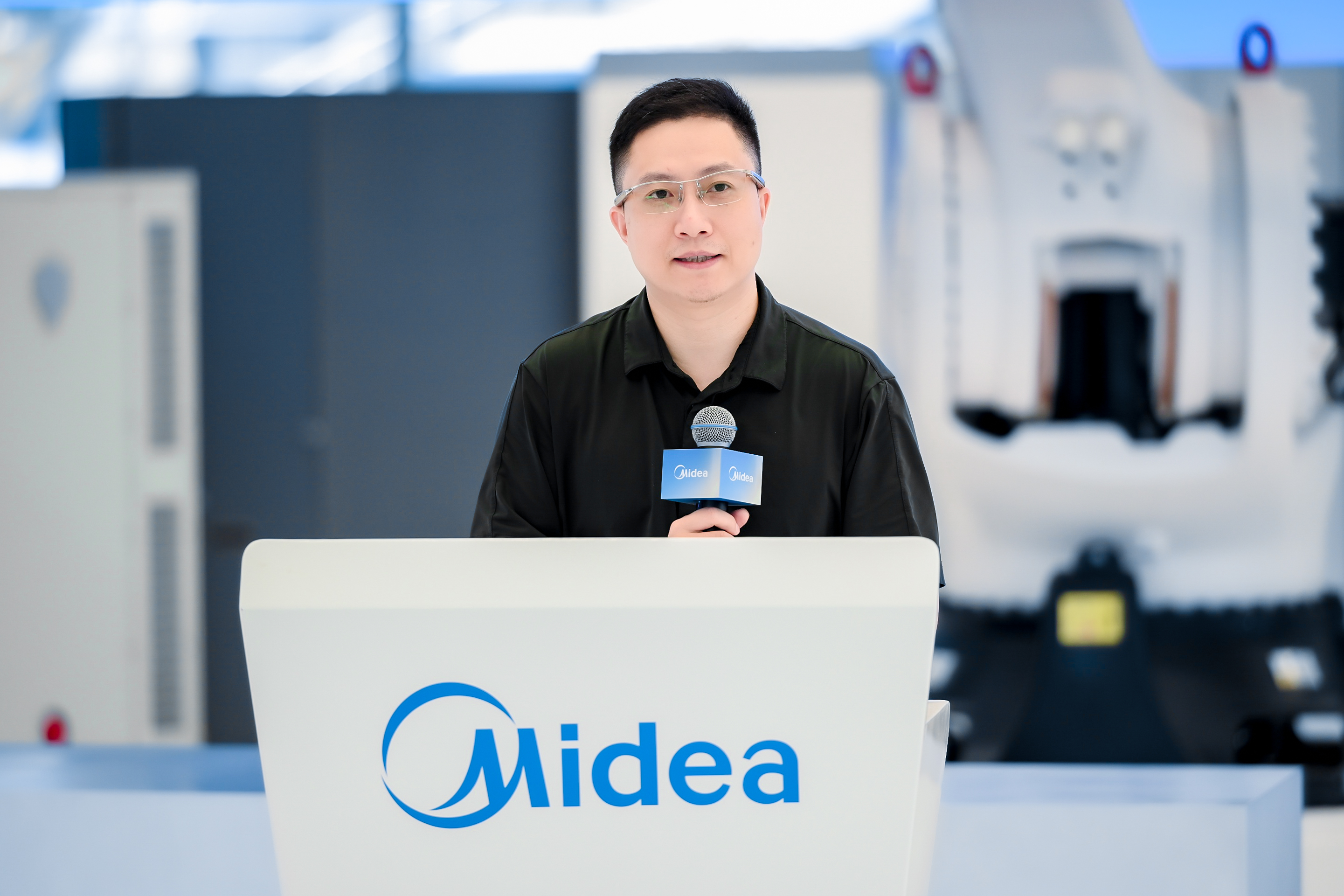
The technology of large-scale model-driven embodied intelligence is just getting started, and it is currently facing many challenges. The first problem that needs to be solved is the spatial reasoning ability, artificial intelligence data often loses spatial and physical information, which hinders the robot's deep perception and understanding of space. The second is long-range task planning, which is a dynamic context for robot dialogue, which is different from language task dialogue, and long-range task planning is required. The robot also needs to make up for the "cerebellar ability", and needs to return to the cerebellar collaborative architecture to complete the combination of motion control and probabilistic models; In addition, embodied intelligence needs to revolve around data sets, data-driven, and building data sets is essential.
Lin Liang also summarized the key technologies of embodied intelligence, namely: traditional perception technology, cross-cutting technology, virtual and real integration, and autonomous and controllable ecology. Lin Liang, who came from computer vision, takes a three-pronged approach to perception, one is to align images, texts and 3D point clouds to build a multi-modal alignment model into physical space; The second is to construct a simulated environment from passive perception to active perception and use recurrent neural networks for planning and target search. The third is to integrate large language models and environmental perception for path planning and navigation.
In the two aspects of embodied intelligence, "task planning and decision-making" and "virtual-real migration", Lin Liang has also made achievements. In terms of "task planning and decision-making", Lin Liang tried to use recurrent neural networks and machine neural networks to do task planning, build world models and knowledge expressions, and predict the steps of tasks. Recently, the large language model is combined to realize task planning and navigation in complex scenes, the large language model is used to disassemble the task, and the cross-modal model is used to find key locations and landmarks and execute the task, which improves the accuracy and controllability of the grasping ability.
In order to build a "virtual-real migration", Lin Liang led the team to build a general framework to unify high-level tasks and lower-level control and execution interfaces, and to carry out intelligent embodiment. In the virtual simulation space, AIGC technology was used to explore, an embodied simulation platform was built, a variety of algorithms were combined to collect teaching data and training skills, the real environment was scanned and input into the simulation space for training, and the migration of the strategy model from simulation to the real world was carried out.
In the context of the 2060 carbon neutrality national strategy, China has vigorously developed the development of renewable energy such as solar energy, photovoltaic and wind energy. Solar and wind energy is intermittent and unstable, resulting in low utilization. Therefore, Zhao Tianshou believes that the development of renewable energy requires energy storage technology to balance energy, and energy storage plays an important role on the power generation side, the grid side and the user side, especially long-term energy storage technology. At the same time, new energy storage technology is also the need for large-scale energy storage devices, and the ideal energy storage technology should meet the three conditions of safety and reliability, economic feasibility, and resource accessibility.
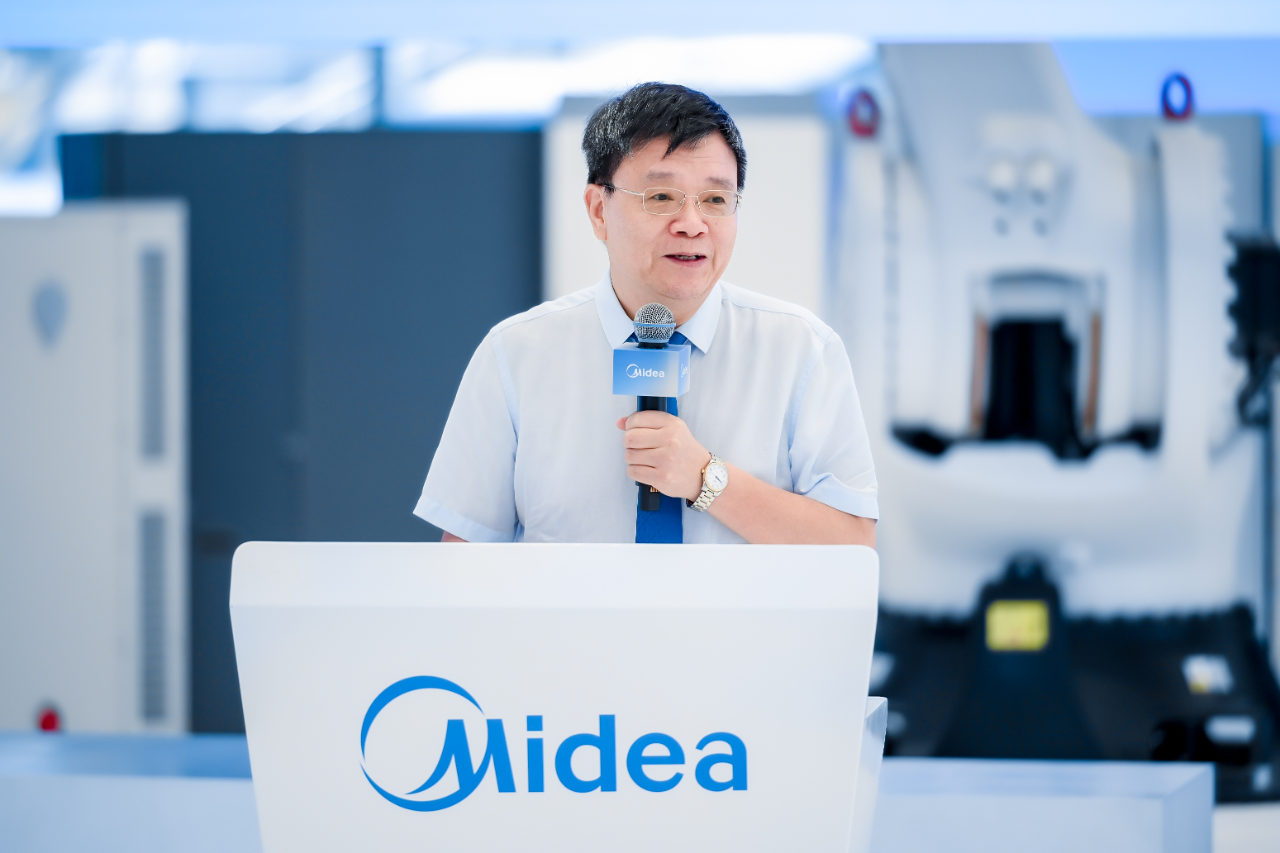
Zhao Tianshou analyzed the differences between the three technologies of pumped storage, compressed space and lithium battery on the spot. The energy carriers of pumped storage and compressed air can flow, and the capacity and power can be decoupled, which is suitable for long-term energy storage; Lithium battery has high energy density, high conversion efficiency and easy installation, but the energy carrier is solid-state, and energy and power are strongly correlated. In order to achieve the goal of long-term energy storage, a flowable energy carrier and an electrochemical energy conversion device are needed to form a fluid battery system.
Zhao Tianshou's research direction is flow batteries, which aim to solve the above energy storage problems. Fluid battery, i.e. energy is stored in an electrolyte tank, and the energy carrier is an electrolyte, which has fluidity. Its advantages include flexible duration, safety, convenient capacity expansion, no phase change process, long life cycle, and a wide range of application scenarios, which can be applied to all scenarios on the power generation side, grid side and user side. Zhao Tianshou also frankly stated that the current flow battery has the problem of high cost, but because of the excellent performance of flow battery energy storage, it is competitive with traditional pumped storage live lithium battery energy storage, and is expected to play an important role in the carbon neutrality strategy in the future.
Deng Tao mainly introduced his team's work in biomimetic thermal materials and technologies, including photothermal storage conversion and thermal energy detection.
In order to make it easier to understand, Deng Tao first talked about the relationship between energy and heat: "The development of our human society is based on several laws, the one-two-three law of thermodynamics, which are all related to heat, especially the second law of thermodynamics, which defines the efficiency of other energy sources when converted into thermal energy is close to 100%, and when thermal energy is converted into other energy sources, it is impossible to be 100%, and the efficiency must be reduced, this is because we live in a world where the second law of thermodynamics is mastered." ”
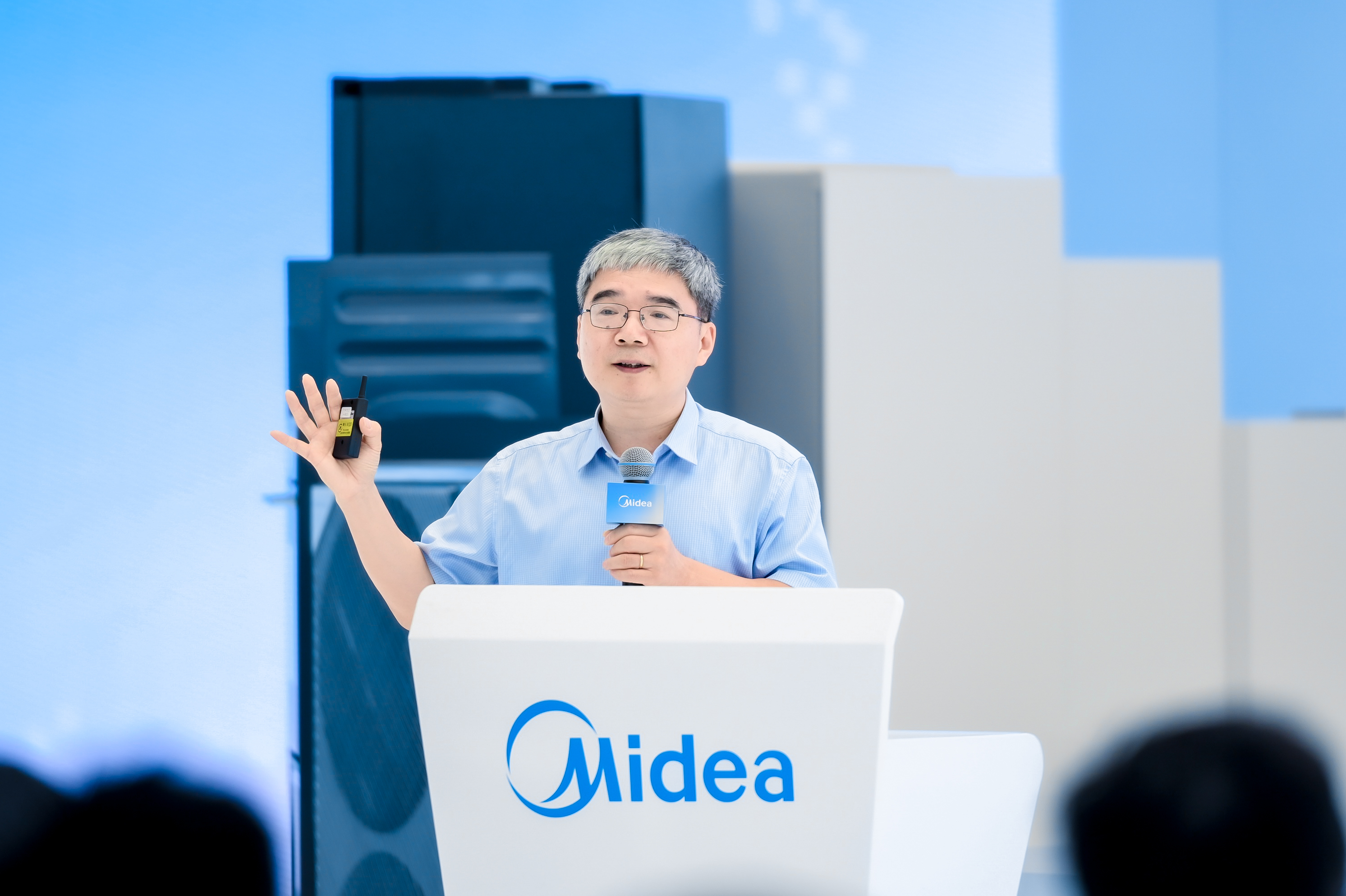
Deng Tao bluntly said that his team's breakthrough in thermal conductivity was inspired by nature: "The butterfly itself transmits photons on its wings, which inspired us to directly put the photothermal conversion material in our heat storage material body when designing, and transmit our heat energy through photons, rather than through phonons, which is a new mechanism." ”
Based on the above principles, Deng Tao's team designed a heat storage material that transmits heat energy through photons, solves the problem of low thermal conductivity of traditional heat storage materials, and uses magnetic light-absorbing materials to increase the heating distance, speed and heat. The material can be used in industrial applications, mainly with a transparent, magnetic filter screen, which uses gravity to make it sink in a liquid state, so that sunlight can be directly heated. At the same time, in order to solve the safety risk caused by focusing on solar energy, gas-liquid phase transformation is introduced, and the material is floated up through bubbles to avoid overheating and improve the energy density of photothermal heat storage.
The research direction of thermal energy detection in Deng Tao's team is the specific application of infrared light emitted by the human body. Also inspired by the field of biomimicry, the human factor is integrated into artificial systems, using human hands as an infrared light source for detection and signal transmission. Deng Tao's team found that the infrared light emitted by human hands is between 7.5-14 microns, and the infrared light emitted by different fingers, combined with different materials and substrate designs, can achieve the difference between different fingers. This research can be used for anti-counterfeiting codes, fingerprint recognition, etc. Human-machine interaction is possible in low or even no light, and the technology is expected to be used to drive home appliances or smart devices in the future.
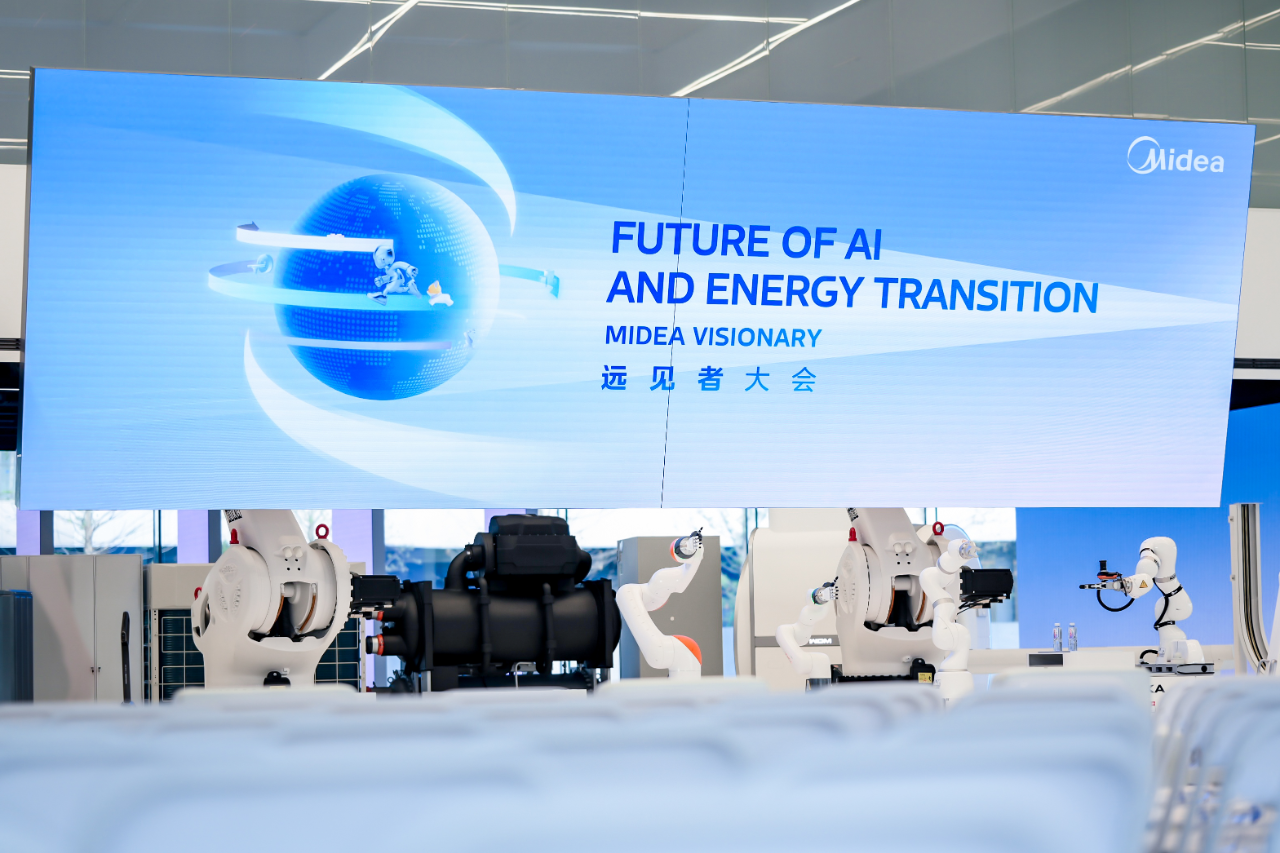
In the roundtable discussion with the theme of "Future Of AI And Energy Transition", the participants shared their views on topics such as humanoid robots, strong artificial intelligence (AGI), the development of Midea's AI field, flow batteries, thermal energy, and Midea's energy storage business.
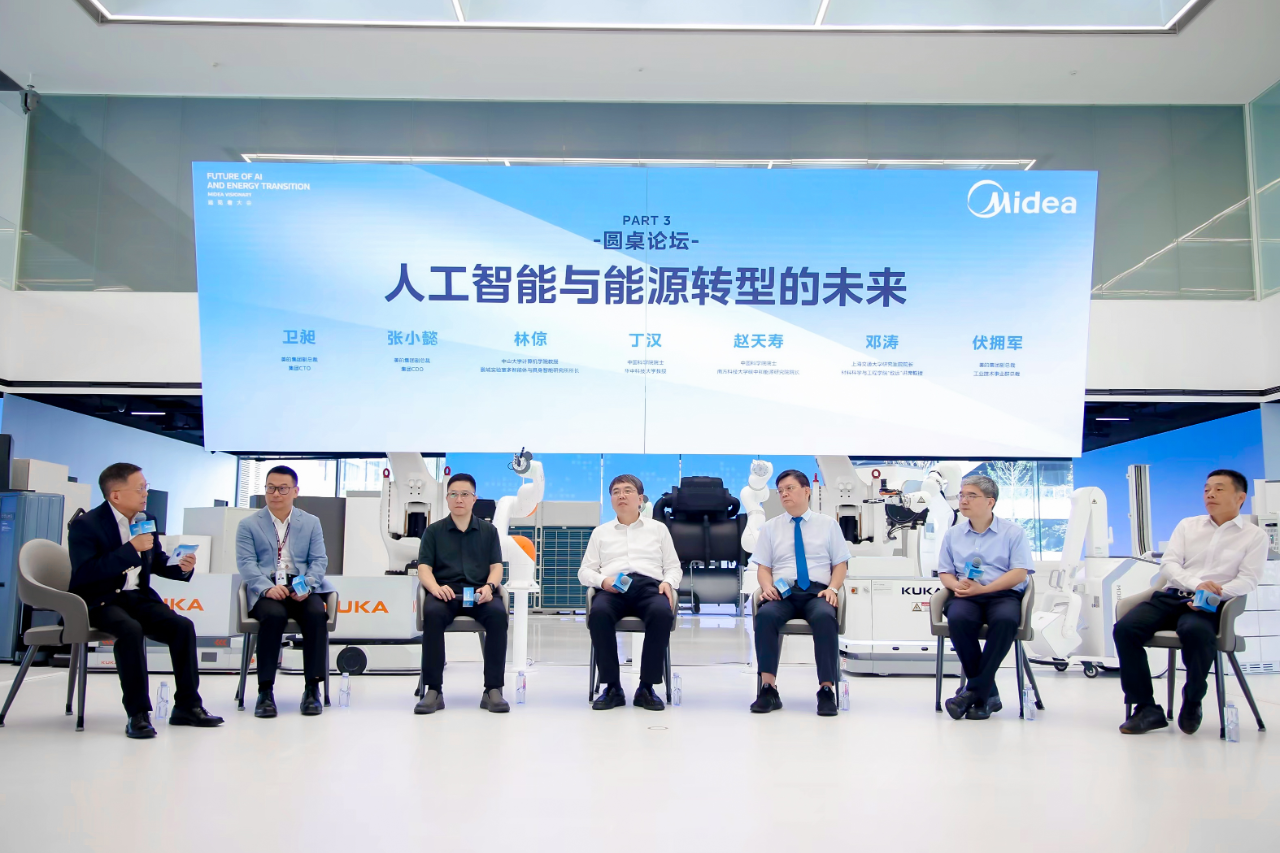
Dinghan's view is that humanoid robots are an important carrier of the future of robots. Midea needs to lay out the development of core components, AI and robot ontology technology.
Lin Liang believes that there is no definition of strong artificial intelligence (AGI) at present, and although AI technology is developing rapidly, and the ability to surpass humans in some specific fields can be surpassed, comprehensive transcendence will not come soon.
Zhang Xiaoyi said that Midea attaches great importance to the development of AI and regards it as a strategic direction. At present, the key tasks include promoting the construction of AI infrastructure, the construction of algorithm platforms, improving the efficiency of various tools, hoping that products and services will catch the AI train, and promoting strategic projects of home and factory agents.
Zhao Tianshou believes that the new energy storage battery has the problem of cost and recycling, and is full of expectations for the large-scale application of flow batteries.
Deng Tao's view on renewable energy development is that clean energy applications need to consider environmental impact and recycling.
Fu Yongjun said that the energy storage industry is in its early stages, and Midea has a layout in the field of new energy, including photovoltaic integration into various forms of energy storage to achieve full coverage of various scenarios of electrochemical energy storage. Midea insists on continuous investment in technology, products and business.
This time, the guests also put forward constructive opinions and suggestions on the development of Midea Group.
Midea's development vision is to become the world's leading technology group. Midea pays attention to the dynamics of science and technology, continues to increase R&D investment, keeps up with the pace of the times, and lays out a number of emerging fields including artificial intelligence and energy storage. Midea will continue to explore new paths for future industrial development, continue to work hard to realize the development vision, and look forward to working with you to a better future.

