E-mail:Summer@fsorgin.com Telephone: +86 151-1302-4743
- All
- Product Name
- Product Keyword
- Product Model
- Product Summary
- Product Description
- Multi Field Search
English


FT30-011
| Quantity: | |
|---|---|


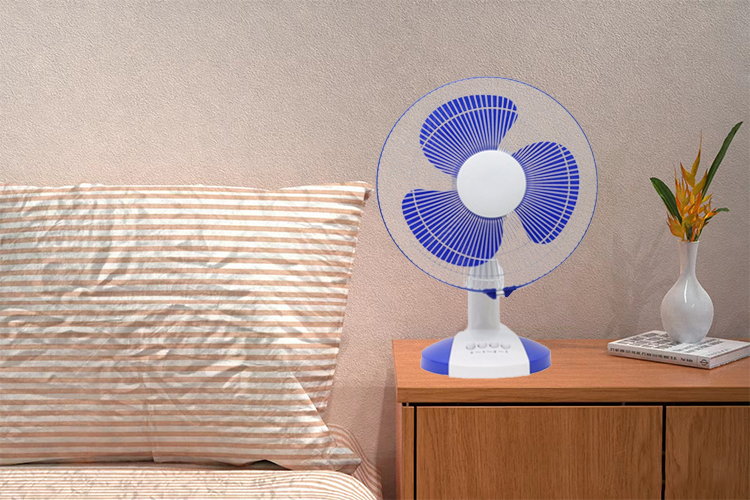
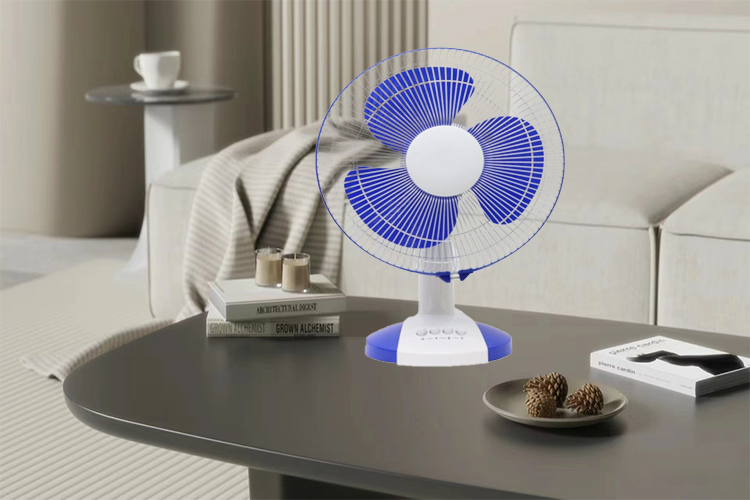
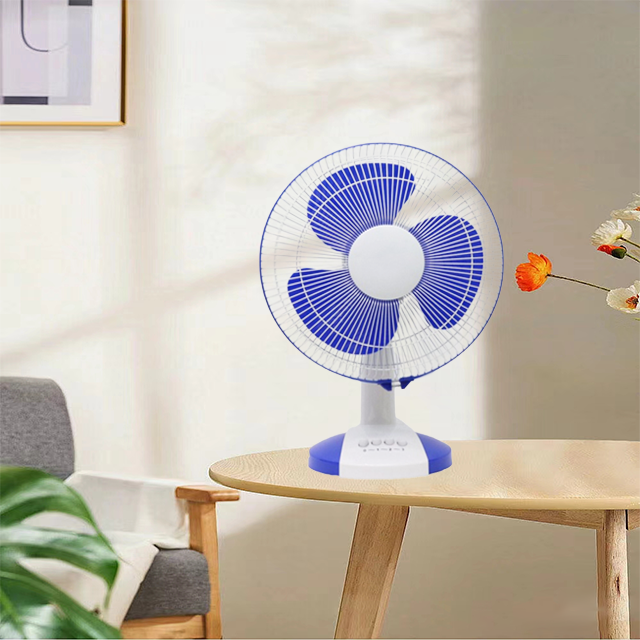
FT30-011 is a basic and straightforward cooling device that provides essential functions for personal cooling and ventilation. These fans are designed to offer simple and reliable performance without any extra features or complexities.
1.Portable: Most electric fans are portable and can be easily moved from one room to another, providing targeted cooling where needed.
2.Easy to use: Electric fans are simple to operate, with basic controls for adjusting fan speed and direction of airflow.
3.Improved air circulation: Electric fans help to circulate air in a room, reducing stuffiness and improving overall air quality.
4.Quick cooling: Electric fans provide instant cooling relief by circulating air and creating a breeze, helping to lower perceived temperatures.
5.Versatile: Electric fans come in various sizes and styles, including tabletop, floor, tower, and oscillating fans, offering options to suit different cooling needs and preferences.
6.Supplemental cooling: Electric fans can be used in conjunction with air conditioning units to help distribute cool air more effectively throughout a room.
| Product Name | 12 inch table fan |
| Model No | FT30-011 |
| Voltage | 220V |
| Frequency | 50Hz |
| Power | 30W |
| Motor | Aluminum Motor or Copper Motor |
| Grill | Line Grill |
| Blades | 3PP blades |
| Plug | two round Plug |
| Color | Blue or according the order |
| Base | plastic |
| Body | New PP material |
| Carton | 1pcs/color/white/brown carton |
| Size | 35*20*34.5 |
| Container | 40hq |
| Quantity | 2500pcs/40hq |
1.Retail stores: Electric fans are used in retail settings to provide cooling for customers and employees, especially in areas with limited air conditioning.
2.Dorm rooms: Basic electric fans are popular in dorm rooms where students may not have access to central air conditioning or want to supplement existing cooling systems.
3.Classrooms: Electric fans are often used in classrooms to help keep students and teachers cool and comfortable during warm weather.
4.Gyms and fitness centers: Basic electric fans are used in gyms and fitness centers to help keep patrons cool during workouts and exercise sessions.
5.Workshops and garages: Electric fans are commonly used in workshops and garages to improve air circulation and provide relief from heat and humidity.
1.Plug in the fan: Locate a power outlet near where you want to place the fan and plug it in. Make sure the cord is not tangled or obstructed.
2.Position the fan: Place the fan on a stable and flat surface, such as a table, desk, or floor. Ensure that the fan is positioned in a way that allows for optimal airflow.
3.Turn on the fan: Locate the power switch or button on the fan and turn it on. Some fans may have multiple speed settings, so you can adjust the speed according to your preference.
4.Adjust the direction: Many electric fans have adjustable heads or oscillation features that allow you to direct the airflow in a specific direction. Position the fan to blow air where it is needed most.
5.Use in conjunction with air conditioning: If you have an air conditioning unit, you can use the electric fan to help distribute cool air more effectively throughout the room.
6.Turn off when not in use: When you are finished using the fan, remember to turn it off and unplug it from the power outlet to save energy and prevent accidents.