E-mail:Summer@fsorgin.com Telephone: +86 151-1302-4743
- All
- Product Name
- Product Keyword
- Product Model
- Product Summary
- Product Description
- Multi Field Search
English


GS-042
| Quantity: | |
|---|---|


Reduced Fire Risk: The absence of visible flames and smoke reduces the risk of accidental fires, making the kitchen a safer place.
Lower Carbon Monoxide Emissions: Smokeless gas stoves are designed to burn gas more efficiently, resulting in lower carbon monoxide emissions. This is crucial for preventing carbon monoxide poisoning, which can be deadly.
Complete Combustion: Smokeless gas stoves are engineered to ensure complete combustion of the gas, which means more of the fuel is converted into usable heat rather than wasted as smoke.
Lower Gas Consumption: Because the gas is burned more efficiently, you may use less gas to achieve the same cooking results, leading to cost savings over time.
Lower Emissions: By burning gas more efficiently and producing less smoke, these stoves contribute to lower emissions of harmful pollutants, making them a more environmentally friendly option.
Sustainable Cooking: Using a smokeless gas stove can help reduce your carbon footprint, aligning with sustainable living practices.
| Product Name | Gas Stove |
| Model No | GS-042 |
| Panel material | 304 S.S |
| power(kw) | 3.3/1.75/1.75/1.0 |
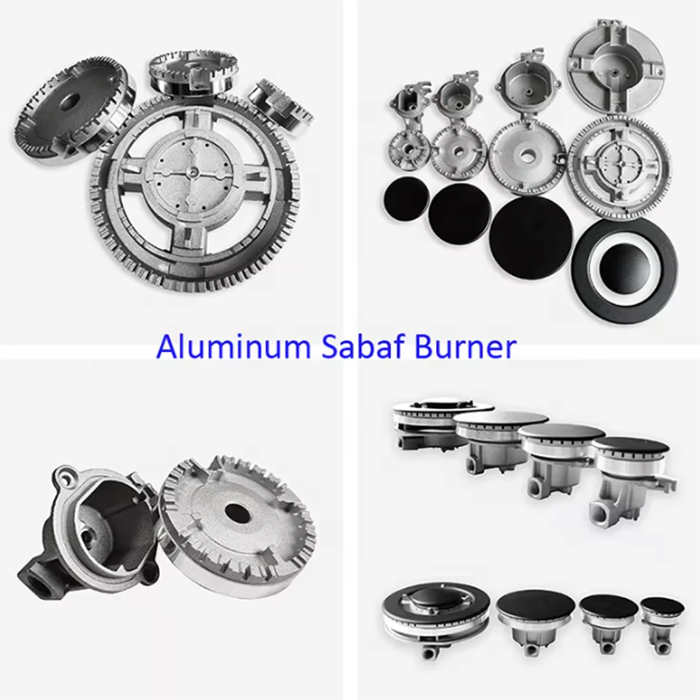
| Burner | original ltalian SABAF |
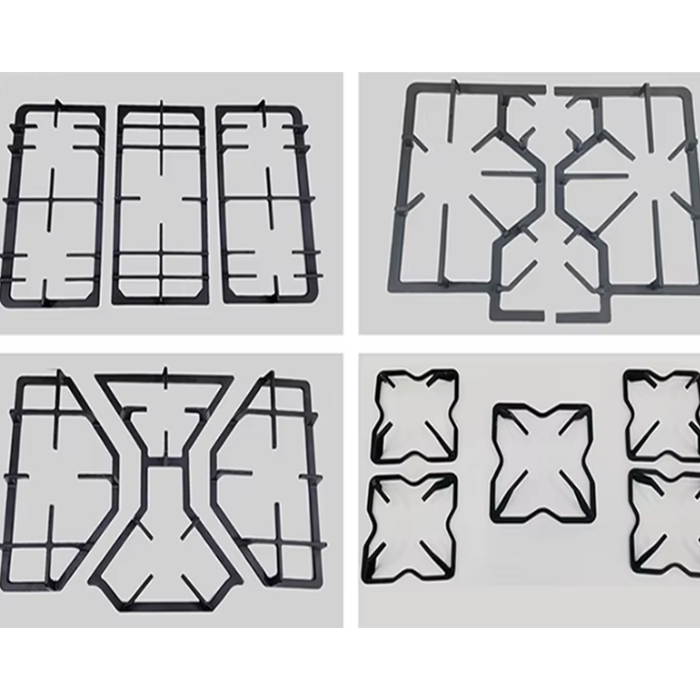
| Burner caps | Shiny/matt enamel Pan support:Heavy cast iron/slim copy/Enamel |
| Pan support | Heavy cast iron/slim copy/Enamel |
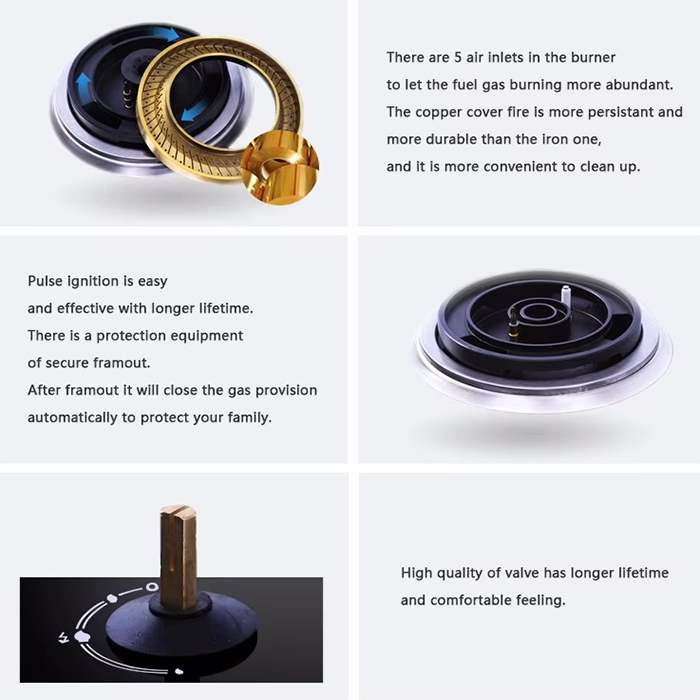
| Control knob | Bakelite/metal |
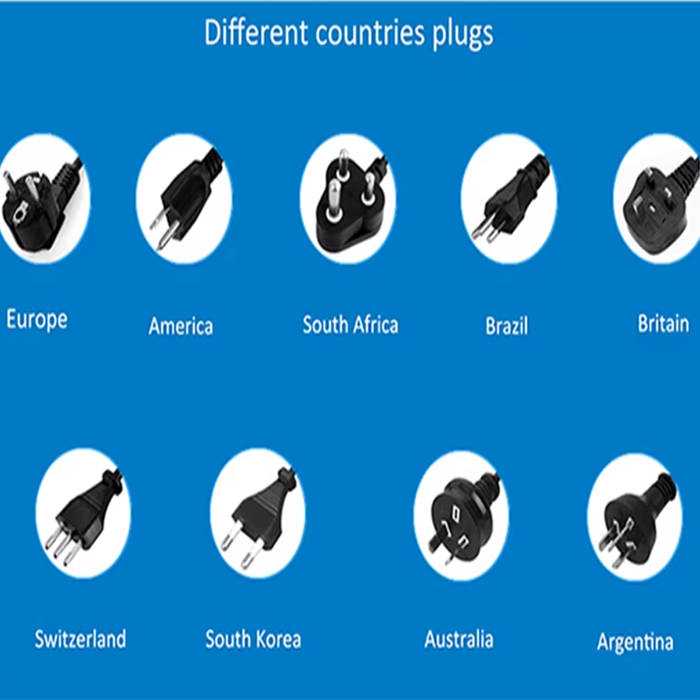
| Ignition | A.C(110-240V)/D.C1.5v Battery |
| Dimension(mm) | 580*500 |
| Packing | 1PCS/CTN |
| QTY/40HQ | 1350 |
Disaster Relief Organizations: These organizations can use smokeless gas stoves in field kitchens to prepare meals quickly and efficiently, without the risk of smoke affecting the environment.
Households in Remote Areas: Families in remote or rural areas can benefit from a smokeless stove for daily cooking, especially in areas where ventilation might be limited.
Individuals with Respiratory Issues: People with asthma, COPD, or other respiratory conditions can benefit from a smoke-free cooking environment.
Allergy Sufferers: Individuals with allergies to smoke or strong odors can enjoy a more comfortable and allergy-friendly kitchen.
Sustainability Advocates: Those who prioritize environmental sustainability can benefit from the lower emissions and more efficient fuel use of smokeless gas stoves.
Green Homeowners: Homeowners looking to reduce their carbon footprint and create a more eco-friendly home can opt for a smokeless gas stove.
Food Trucks and Street Vendors: These vendors can use portable smokeless gas stoves to prepare food quickly and efficiently, without the concern of smoke affecting the quality of the food or the environment.
Proper Ventilation: Ensure that the area where the smokeless gas stove is being used is well-ventilated to allow for proper air circulation and to prevent any buildup of fumes.
Clean Burners: Regularly clean the burners of the smokeless gas stove to remove any food debris or grease buildup that can cause smoke during cooking.
Use the Right Cookware: Use cookware that is suitable for gas stoves and has a flat bottom to ensure even heat distribution and prevent smoke.
Adjust Flame: Adjust the flame of the gas stove to the appropriate level for the type of cooking you are doing. A low flame is ideal for simmering, while a higher flame is needed for boiling or stir-frying.
Avoid Overcrowding: Avoid overcrowding the burners with too many pots and pans, as this can lead to uneven heating and potential smoke production.
Monitor Cooking: Keep an eye on your cooking to prevent food from burning, which can produce smoke. Stir food regularly and adjust the heat as needed.
Use a Lid: When cooking, use a lid on pots and pans to trap heat and prevent smoke from escaping.
Clean Regularly: Clean the smokeless gas stove regularly to remove any grease or food residue that can cause smoke during cooking.
Proper Gas Supply: Ensure that the gas supply to the stove is adequate and that there are no leaks in the gas line, as this can lead to incomplete combustion and smoke production.