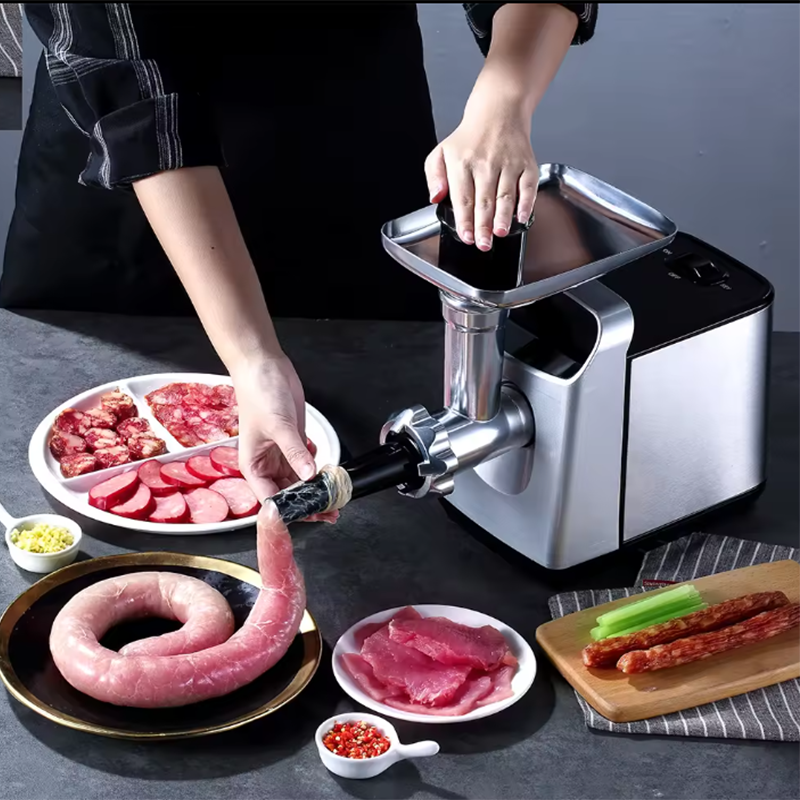
Electric Meat Grinders
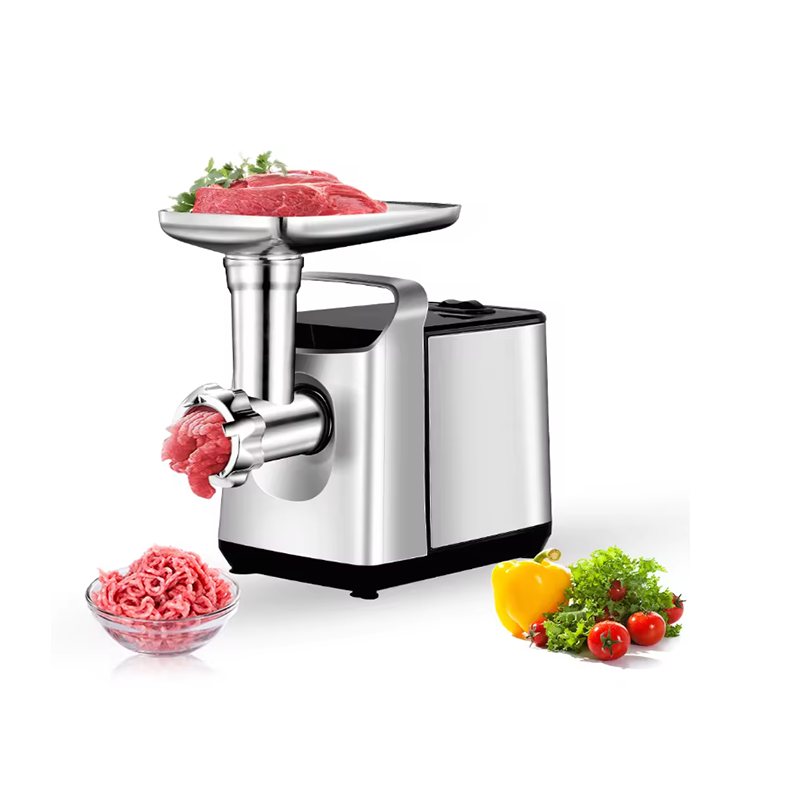
kitchen appliances designed to grind or mince meat, and they can be used for a variety of purposes, such as making ground beef, sausages, and other meat-based products.
| Versatility | Many meat grinders come with attachments or accessories that allow for versatile use. For example, you can use them to grind other foods such as fruits, vegetables, nuts, or even cheese, expanding their utility in the kitchen. |
| Quality Control | Grinding your meat at home gives you better quality control. You can ensure that the meat is properly handled, cleaned, and ground, reducing the risk of contamination and ensuring higher food safety standards. |
| Tailored Recipes | Having a meat grinder allows you to experiment with different meat blends and recipes, giving you the freedom to create custom flavors and textures that suit your taste preferences. |
| Reduced Waste | Using a meat grinder allows you to utilize cuts of meat that might otherwise go to waste. You can grind tougher or less desirable cuts into ground meat, maximizing the value of your meat purchases and minimizing waste. |
| Healthier Options | By grinding your meat at home, you can choose leaner cuts and control the fat content of your ground meat, promoting healthier eating habits. |
| Fun and Satisfaction | For many people, using a meat grinder can be an enjoyable and satisfying culinary experience. It allows them to engage more directly with the food preparation process, resulting in a greater sense of accomplishment and connection to their meals. |
|
Product Uses
 Specialty Food Production Facilities:
Facilities that produce specialty meat products such as gourmet sausages, charcuterie, and artisanal burgers often use meat grinders as part of their production process. These grinders allow for customization of meat blends and textures to create unique products.
Outdoor Events and Barbecues:
Portable meat grinders are sometimes used at outdoor events, barbecues, and camping trips to grind fresh meat on-site. These compact grinders offer convenience and flexibility for outdoor cooking enthusiasts.
Hunting and Game Processing:
Hunters frequently use meat grinders to process game meat from wild animals such as deer, elk, and boar.
|
Production Details
| Model | MG-02 |
| Rated Voltage | 220-240V |
| Frequency | 50/60Hz |
| Rated Power | 300W |
| Speed Setting | 1 speed with reversion rotation |
| Material | stainless steel housing
Aluminum grinder head and tray |
|
| Blades | 3 cutting blades
(fine ,medium,coarse) |
|
| Cord | 2*0.75*2M |
| Plug | 2 round VDE plug |
| Feet | Non-slipping rubber feet |
| Parts | with sausage and kibbe attachment with food pusher |
|
| Packing | 1pc/color box |
| Product Guide
1. Choose the Right Grinding Plate
Select the appropriate grinding plate based on the desired coarseness of the ground meat. Most electric meat grinders come with multiple plates for different grind sizes.
2. Assemble and Operate the Grinder
Plug in the grinder and switch it on.Place a bowl or tray underneath the grinder's spout to catch the ground meat.Feed the meat pieces into the grinder's feed tube, using the pusher (if provided) to guide the meat down.Allow the grinder to process the meat automatically.
3. Cleaning and Maintenance
After use, switch off the grinder and unplug it from the power source.
Disassemble the grinder according to the manufacturer's instructions.
Wash all the grinder's components, including the grinding plate, cutting blade, feed tube, and any other removable parts, with warm, soapy water.Rinse thoroughly and allow the parts to dry completely before reassembling the grinder or storing it.
4. Storage
Store the electric meat grinder in a clean, dry place when not in use, preferably in its original packaging or a protective cover to prevent dust and damage.
| Payment

| Shipping


| Certifications

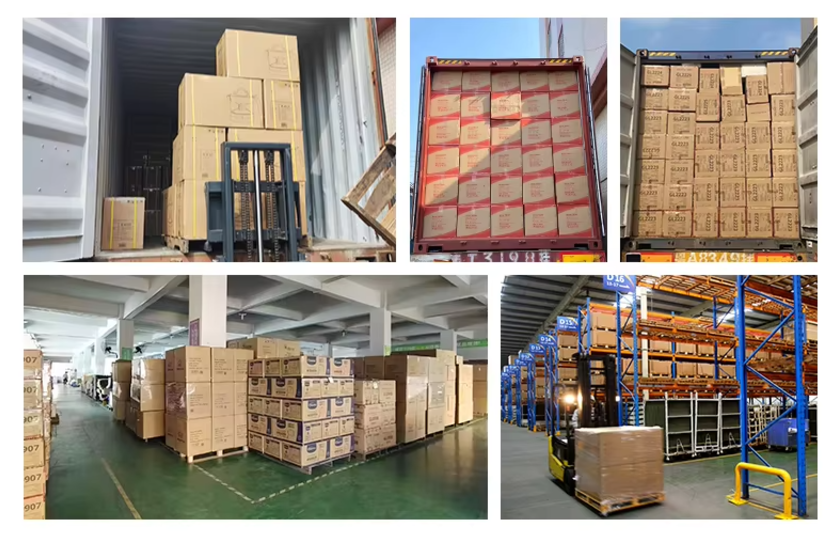
| Loading
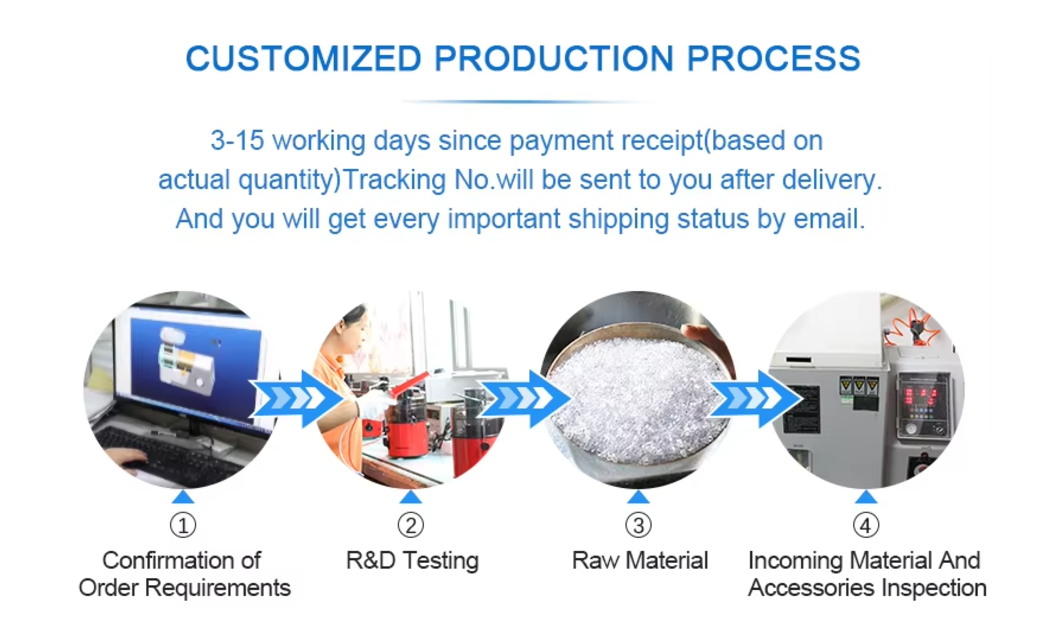
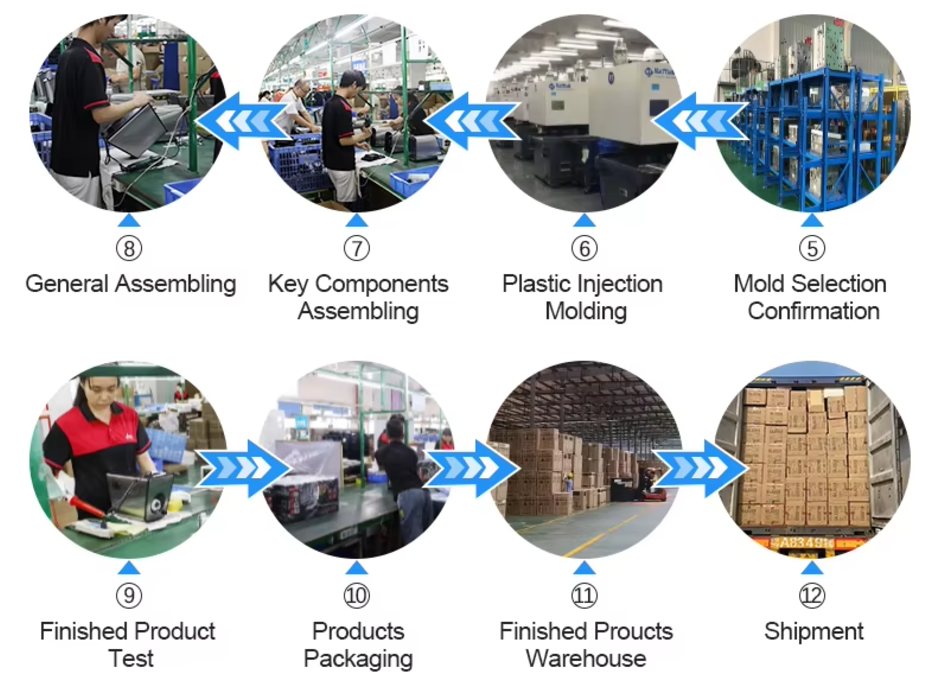
| Production Process
| About us