E-mail:Summer@fsorgin.com Telephone: +86 151-1302-4743
- All
- Product Name
- Product Keyword
- Product Model
- Product Summary
- Product Description
- Multi Field Search
English


GS-034
| Quantity: | |
|---|---|


GS-034 safety device in a tempered glass built-in gas stove typically includes features such as flame failure device, thermocouple safety device, and automatic shut-off. These safety devices help prevent gas leaks, detect flame failure, and shut off the gas supply in case of overheating or other emergencies. The tempered glass itself is also a safety feature as it is heat-resistant, durable, and less likely to shatter or break compared to regular glass, providing an added layer of protection for the user.
1.Flame Failure Device: The flame failure device ensures that the gas supply is cut off if the flame goes out, preventing gas leaks and potential hazards.
2.Thermocouple Safety Device: This device detects the presence of a flame and automatically shuts off the gas supply if the flame is extinguished, providing an additional layer of safety.
3.Automatic Shut-Off: In case of overheating or other emergencies, the automatic shut-off feature cuts off the gas supply to prevent accidents and ensure user safety.
4.Heat-Resistant Glass: Tempered glass is heat-resistant, making it a safe choice for use in high-temperature environments such as gas stoves.
5.Durable Construction: Tempered glass is more durable and less likely to break or shatter compared to regular glass, reducing the risk of accidents and injuries.
6.Easy to Clean: The smooth surface of tempered glass is easy to clean and maintain, promoting a hygienic cooking environment.
7.Stylish Design: Tempered glass adds a sleek and modern look to the kitchen, enhancing the overall aesthetic appeal of the gas stove
| Product Name | Gas Stove |
| Model No | GS-034 |
| Panel material | 304 S.S |
| power(kw) | 3.0/3.0/1.75/1.75/1.0 /1.0 |
| Burner | original ltalian SABAF |
| Burner caps | Shiny/matt enamel Pan support:Heavy cast iron/slim copy/Enamel |
| Pan support | Heavy cast iron/slim copy/Enamel |
| Control knob | Bakelite/metal |
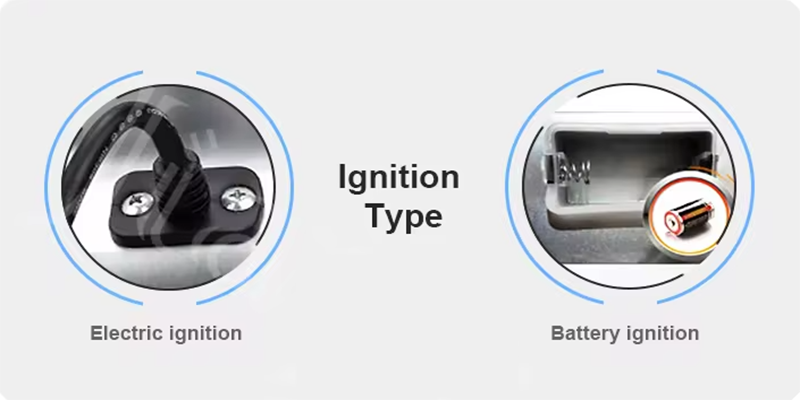
| Ignition | A.C(110-240V)/D.C1.5v Battery |
| Dimension(mm) | 880*510 |
| Packing | 1PCS/CTN |
| QTY/40HQ | 930 |
1.Residential kitchens: Tempered glass built-in gas stoves with safety devices are commonly used in homes to ensure the safety of residents during cooking.
2.Commercial kitchens: Restaurants, hotels, and other food service establishments often use tempered glass gas stoves with safety features to protect their staff and customers.
3.Catering events: Tempered glass built-in gas stoves with safety devices are used at catering events to provide a safe cooking environment for chefs and catering staff.
4.Outdoor kitchens: Outdoor kitchens equipped with tempered glass gas stoves with safety features ensure a safe cooking experience in outdoor settings.
5.RVs and campers: Tempered glass built-in gas stoves with safety devices are used in recreational vehicles and campers to provide a safe cooking option for travelers.
1.Familiarize yourself with the safety features: Read the user manual provided with the gas stove to understand the specific safety devices and how they function.
2.Ensure proper installation: Make sure the gas stove is installed correctly and according to the manufacturer's instructions to ensure the safety devices work as intended.
3.Activate the safety features: Some safety devices, such as the flame failure device and thermocouple safety device, may be automatic and do not require manual activation. However, check to see if there are any specific steps needed to activate these features.
4.Test the safety devices: To ensure the safety devices are functioning correctly, test them periodically according to the manufacturer's recommendations. This may involve simulating a flame failure or overheating situation to see if the safety devices activate properly.
5.Respond to safety alerts: If a safety device is triggered, such as the automatic shut-off feature, follow the manufacturer's instructions on how to respond. This may involve turning off the gas supply and addressing the issue before using the gas stove again.
6.Regular maintenance: Keep the gas stove clean and well-maintained to ensure the safety devices continue to work effectively. Check for any signs of wear or damage that may affect the safety features.